
Structured Growth Without Overgrown Hazards
Tree and Shrub Pruning in Buffalo for properties where overgrowth blocks sightlines, threatens structures, or creates unbalanced plant health
Branches that grow into roof lines, power service drops, or over driveways create liability and damage risks that increase with every storm season, while shrubs that haven't been shaped in years lose their structure and crowd out neighboring plants or walkways. Trimming and shaping from V.I.P. Property Maintenance removes that overgrowth, improves safety and visibility around Buffalo properties, and redirects plant energy toward balanced growth instead of uncontrolled expansion. Each pruning pass evaluates branch structure, removes deadwood, and thins crowded areas so light and air reach interior zones where new growth originates.
The work involves cutting branches back to lateral growth points or main trunks using clean angled cuts that heal without creating entry points for disease or pests. Shrubs get shaped to maintain their natural form while removing crossed branches, water sprouts, and stems that grow inward rather than outward, which prevents the dense tangles that trap moisture and reduce airflow.
Request a pruning service to remove hazardous growth and restore structured appearance before plants expand beyond manageable limits.
What Trimming Actually Accomplishes
Proper pruning timing matters—late winter or early spring works best for most species in Buffalo because cuts made during dormancy bleed less sap and heal faster once active growth resumes. Cuts are made just above growth nodes at angles that shed water, which prevents rot from developing in the wound while the plant seals the cut with new tissue.
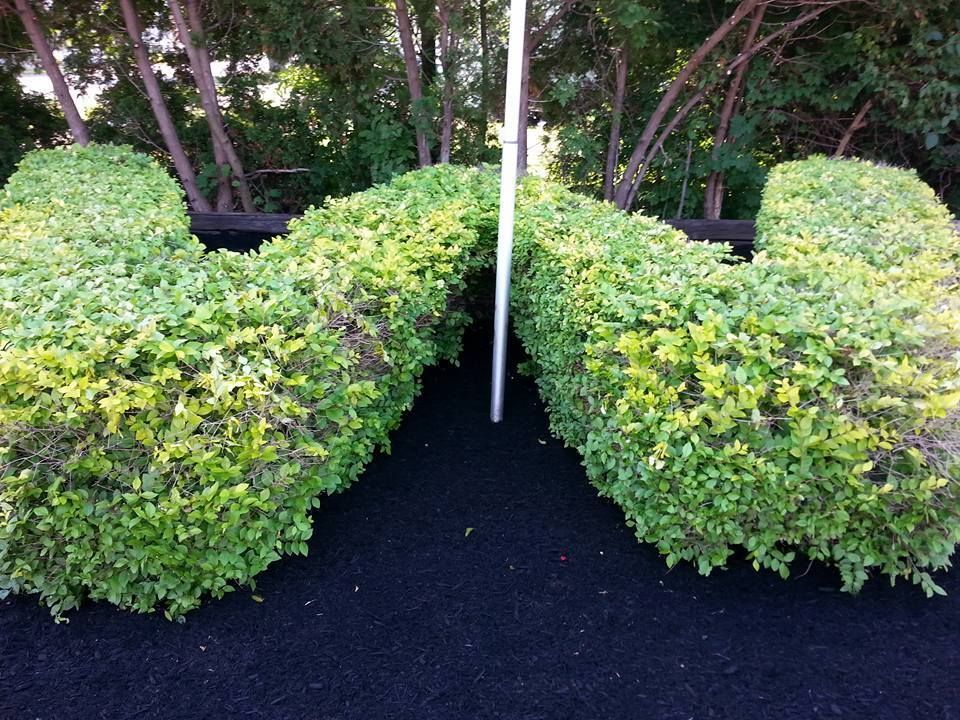
After pruning, you'll notice clear space between branches and structures, improved sightlines at driveway exits and intersections, and plants that look intentionally shaped rather than randomly overgrown. Shrubs develop denser foliage in the zones you want filled and stop sending long shoots into areas where they interfere with walkways or crowd perennials planted nearby.
Pruning complements full landscape maintenance by keeping plants within their intended footprint, which reduces the need for drastic corrective cutting later and prevents the kind of overgrowth that requires removal and replanting when it gets out of control.
What Property Owners Usually Ask
Homeowners often have questions about timing, how much to remove, and what pruning achieves beyond basic appearance improvements.
How much can be removed without harming the plant?
Most species tolerate removal of up to one-third of their total growth in a single season, but cutting more than that stresses the plant and reduces its ability to recover and produce new foliage the following year.
What happens if pruning is delayed too long?
Overgrown plants develop structural problems like crossed branches that rub and create wounds, heavy limbs that split under snow load, and interior dieback from lack of light penetration, all of which require more aggressive corrective work later.
When should shrubs be pruned to avoid losing flowers?
Spring-blooming shrubs should be pruned immediately after flowering so you don't remove the buds that form on old wood, while summer bloomers can be pruned in late winter because they flower on new growth produced that same season.
Why does pruning improve plant health beyond just controlling size?
Removing dead or diseased wood eliminates infection points, thinning crowded growth improves airflow that reduces fungal problems, and selective cuts redirect energy toward stronger branches instead of weak or poorly positioned growth.
How does tree pruning around Buffalo properties address storm damage risk?
Removing branches that overhang roofs or grow too close to power lines reduces the chance of those limbs breaking under ice or wind load and causing property damage or service interruptions during winter weather events common in the region.
V.I.P. Property Maintenance evaluates plant structure and growth patterns before making cuts, so pruning achieves both immediate safety improvements and long-term health benefits. Set up a pruning visit to address overgrowth and structural concerns before plants create problems that require removal rather than correction.