
Outdoor Spaces Built Around How You Use Them
Custom Landscape Design in West Seneca for properties requiring functional layouts, tailored plant selection, and features that match specific goals
Generic landscape layouts often fail to address how a property is actually used, resulting in underutilized space, plant selections that don't suit site conditions, or features that look intentional but don't improve outdoor functionality. Custom landscape design creates tailored plans that account for property goals, budget constraints, and site-specific factors such as drainage, sunlight patterns, and existing structures. V.I.P. Property Maintenance develops design plans for residential properties in West Seneca where outdoor spaces need strategic organization to support usability and long-term curb appeal.
Design work involves site evaluation, layout development, plant and material selection, and feature integration that aligns with how the property will be maintained and used over time. Plans balance aesthetic priorities with practical considerations such as maintenance requirements, seasonal interest, and how different zones connect visually and functionally.
Schedule a design consultation to review your property's outdoor potential and discuss layout options that fit your objectives.
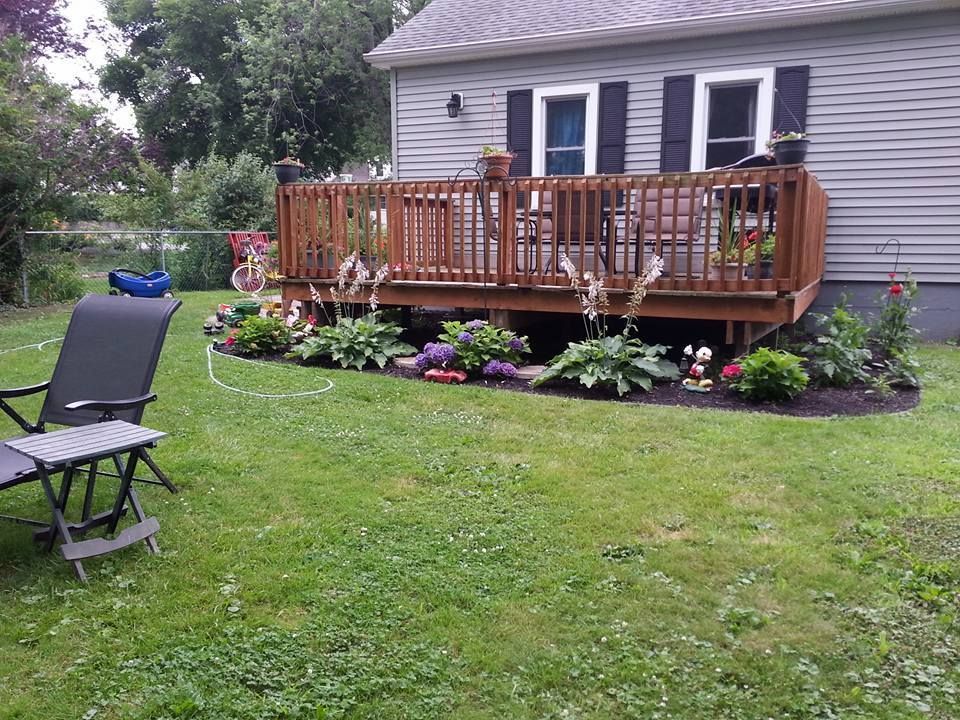
What Proper Design Accomplishes
The design process begins with assessing slope, soil conditions, sun exposure, and circulation patterns to identify opportunities and constraints, then develops layouts that organize space into functional zones such as entertaining areas, planting beds, and pathways. Plant selections account for mature size, seasonal performance, and maintenance intensity, while hardscape features such as patios, edging, or retaining walls are positioned to define spaces and manage grade changes.
After design implementation, outdoor areas function as cohesive spaces with clear purpose, rather than disconnected elements that compete for attention or fail to serve practical needs. Pathways guide movement logically, plantings provide year-round structure and color, and features such as seating areas or lighting integrate into the overall composition without appearing added as afterthoughts.
Design plans are scaled to fit budgets and timelines, with phased installation options that allow priority areas to be completed first while future stages are planned for later execution. Plans also coordinate with installation services to ensure design intent translates accurately during construction.
What Property Owners Usually Ask
Common questions address the design process, how plans accommodate budgets, and what differentiates custom work from standard installations.
What information is needed to develop a landscape design?
Site assessment includes property dimensions, existing features, drainage observations, sun and shade patterns, soil conditions, and your priorities for how outdoor space should function. Photos, utility locations, and any known site challenges also inform planning.
How does custom design address site-specific challenges?
Design plans work around existing conditions such as poor drainage, slopes, tree roots, or limited sunlight by selecting plants suited to those conditions, incorporating grading adjustments, or using hardscape solutions that mitigate problems rather than ignore them. Site challenges become design opportunities rather than obstacles.
When should design work happen relative to installation?
Design is completed before installation begins to ensure material quantities, plant selections, and layout details are finalized, which prevents mid-project changes that increase costs or compromise design cohesion. Early planning also allows seasonal timing for optimal planting windows.
What makes a landscape design successful long-term in West Seneca?
Designs account for winter hardiness, seasonal interest across all four seasons, maintenance capacity, and how plants perform as they mature in local soil and climate conditions. Plans anticipate growth and change rather than assuming static appearance.
How detailed are the design plans provided?
Plans typically include scaled layout drawings, plant lists with quantities and placement notes, material specifications for hardscape elements, and phasing recommendations if installation will occur in stages. Detail level ensures accurate execution during construction.
V.I.P. Property Maintenance develops landscape designs based on site evaluation, functional priorities, and long-term maintenance considerations specific to your property. Arrange a planning session to begin designing outdoor spaces that align with how you intend to use them.