
Water Controlled Before It Reaches Foundations
Drain Tile Installation in Blasdell for properties with pooling water or foundation moisture due to inadequate subsurface drainage
Yards that hold water after storms or show wet spots days after rainfall often lack subsurface drainage to move groundwater away from structures and planting areas. Drain tile installation involves burying perforated pipe in gravel-filled trenches that intercept water before it saturates soil around foundations or creates unusable sections of lawn. V.I.P. Property Maintenance installs drainage systems in Blasdell as part of landscape solutions, positioning tile to follow natural slope and discharge water to appropriate outlets like storm sewers or drainage swales.
The system works by collecting water that would otherwise pool at the surface or seep into basements, directing it through buried channels to exit points where it won't cause erosion or reenter the problem area. Properties with clay-heavy soil common to western New York experience slow percolation, meaning surface water sits longer and increases hydrostatic pressure against foundation walls unless subsurface drainage provides an alternative path.
Request a drainage evaluation to identify where water accumulates and determine the tile layout needed to control flow across your property.
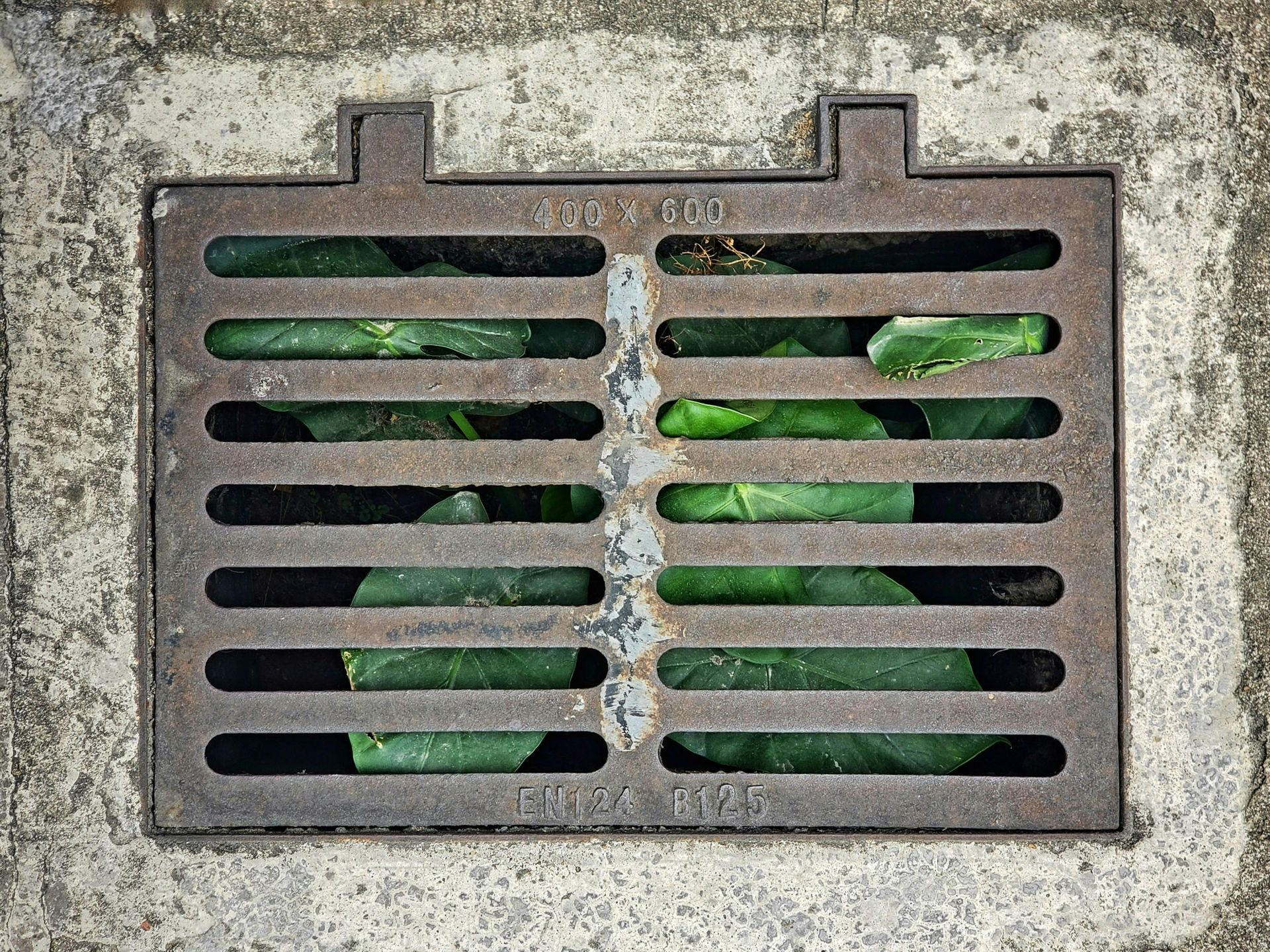
What Proper Drainage Prevents Long-Term
Installation begins with excavating trenches along the path water naturally follows based on property slope, then laying perforated pipe surrounded by gravel to maintain flow capacity even when soil is saturated. The pipe is sloped consistently toward the discharge point so water doesn't stagnate in low sections, and filter fabric prevents soil migration into the gravel that would eventually clog the system.
Once the drain tile is functioning, you'll see reduced standing water after storms, drier soil conditions in areas that previously stayed muddy for days, and improved usability of sections that were too wet for regular foot traffic or plantings. Basements in properties with foundation drainage see less moisture infiltration because water is intercepted before it builds pressure against walls.
Drainage systems are often installed during landscape renovation projects so that grading and planting occur on properly drained soil, but they can also be added to existing landscapes by trenching through turf and restoring surface conditions after tile placement. Discharge points must be carefully selected to avoid redirecting water onto neighboring properties or into areas where it creates new erosion problems.
Answers to Frequent Drainage Questions
Property owners dealing with persistent water problems in Blasdell often need subsurface solutions because surface grading alone can't address groundwater that saturates soil from below or moves laterally through clay layers.
What causes water to pool even when the yard appears graded correctly?
Surface slope moves water visibly, but subsurface layers of clay or compacted soil prevent downward percolation, trapping water near the surface where it creates wet spots and drainage problems that grading alone can't resolve.
How deep is drain tile installed relative to problem areas?
Tile is typically placed eighteen to twenty-four inches below grade to intercept groundwater before it reaches the surface, with depth adjusted based on frost line requirements and the elevation of the intended discharge point.
When should drain tile be added during a landscaping project?
Installation happens after rough grading establishes slope but before final topsoil placement and planting, allowing trenches to be dug without damaging finished landscape elements and ensuring proper integration with the overall drainage plan.
What's required for the system to discharge water properly?
An outlet point lower than the tile elevation is essential, whether that's a storm sewer connection, drainage swale, or area where water can disperse without causing erosion or re-saturating soil near the problem zone.
How does drain tile improve yard usability beyond eliminating puddles?
Drier soil supports healthy root growth for turf and plantings, reduces mosquito habitat, prevents soil compaction from prolonged saturation, and makes the yard accessible for activities sooner after rainfall instead of remaining muddy for extended periods.
V.I.P. Property Maintenance designs drainage systems to address specific water flow patterns observed on your property, integrating tile installation with grading and landscape work for comprehensive moisture control. Reach out to schedule an on-site assessment of drainage concerns and outlet options.