
Beds and Turf Prepared to Retain Growth
Mulching and Fertilization in Buffalo for properties where moisture retention and nutrient delivery affect plant health year-round
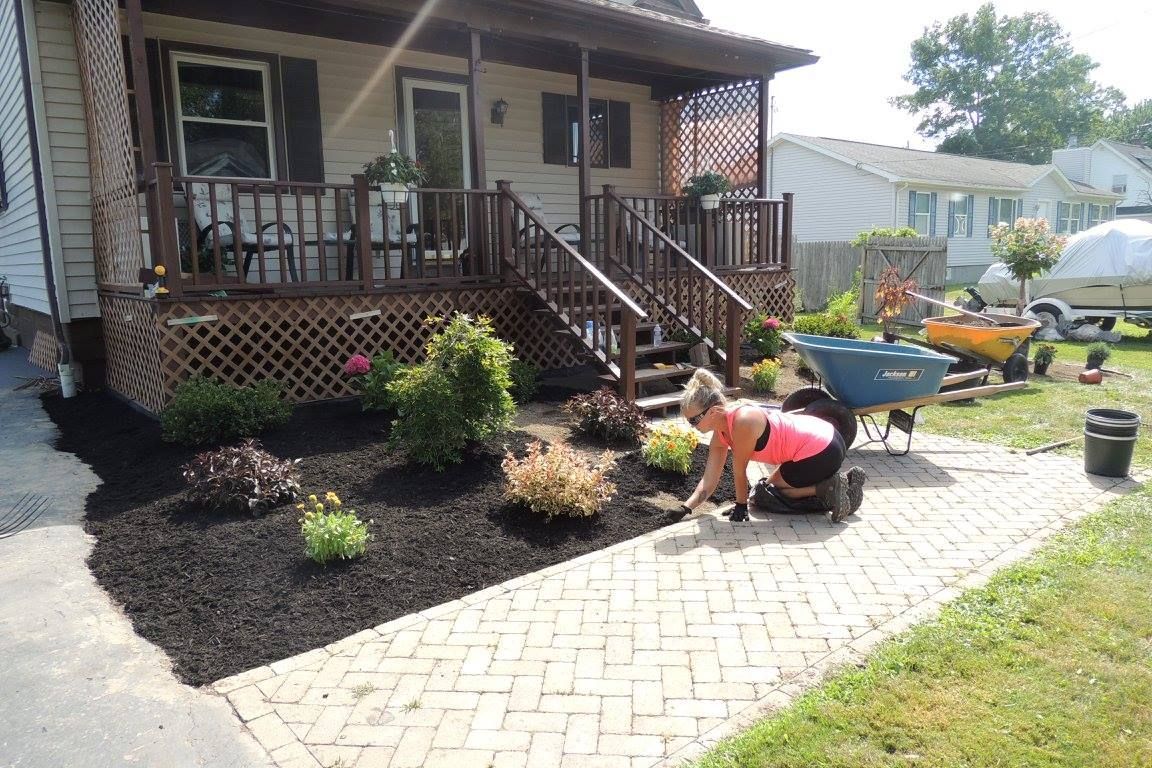
Mulch layers break down faster in Buffalo's freeze-thaw cycles than in milder climates, which means beds lose the protective barrier that moderates soil temperature and suppresses weed germination. V.I.P. Property Maintenance installs fresh mulch in planting beds and applies fertilization programs to lawns where nutrient availability determines whether grass thickens or thins out under seasonal stress. The combination addresses two separate needs—beds that hold moisture and resist weed pressure, and turf that grows dense enough to crowd out invasive species without requiring constant reseeding.
Mulch application involves spreading a two- to three-inch layer of shredded hardwood or bark over prepared bed surfaces, creating a barrier that slows evaporation and keeps soil temperatures stable during spring and summer heat. Fertilization follows a schedule that delivers nitrogen, phosphorus, and potassium when grass is actively growing, avoiding applications during dormancy when nutrients leach away unused.
Request a combined mulch and fertilizer service to prepare beds and lawns for sustained growth without frequent replanting or weed control intervention.
Why Timing and Material Choice Matter
Spring mulch installation works best after soil warms but before summer heat arrives, which gives plants access to moisture during their most active growth period. Fertilizer applications align with turf growth stages—early spring for root development, late spring for blade growth, and fall for root strengthening before winter dormancy.
After service, you'll notice bed surfaces that look uniform and finished, fewer weeds emerging through mulched areas, and grass that develops darker green color and denser blade count within two to three weeks of fertilization. Mulch also reduces the amount of watering needed during dry stretches because soil underneath stays cooler and holds moisture longer than exposed ground.
This service integrates well with ongoing maintenance plans that include mowing, aeration, and seasonal cleanups, creating a coordinated approach to lawn and bed health rather than treating each element separately.
Common Questions About This Service
Homeowners often ask about application timing, material types, and how these services improve long-term property health.
What type of mulch works best for Buffalo climates?
Shredded hardwood mulch breaks down slowly enough to last through a full season, resists blowing away in wind, and doesn't compact into a water-resistant mat the way finer materials can.
How often should mulch be refreshed?
Most beds need new mulch annually because freeze-thaw cycles and decomposition reduce the layer thickness by half over a twelve-month period, which compromises weed suppression and moisture retention.
When should fertilization happen to avoid waste?
Applications timed to active growth periods ensure grass uses the nutrients rather than letting them leach through soil during dormancy or heavy rain events that wash materials away before roots absorb them.
Why does fertilized grass sometimes grow unevenly?
Uneven application or areas with different soil compaction levels absorb nutrients at different rates, which is why aeration often pairs with fertilization to improve absorption across the entire lawn.
How does mulching affect plant health beyond appearance?
Mulch layers reduce soil temperature swings that stress root systems, prevent weed competition for water and nutrients, and break down into organic matter that improves soil structure over time.
V.I.P. Property Maintenance schedules mulch and fertilizer applications based on seasonal conditions and plant needs, ensuring materials go down when they'll deliver the most benefit. Set up a service visit to improve bed protection and turf density before the growing season peaks and maintenance becomes reactive rather than preventive.